
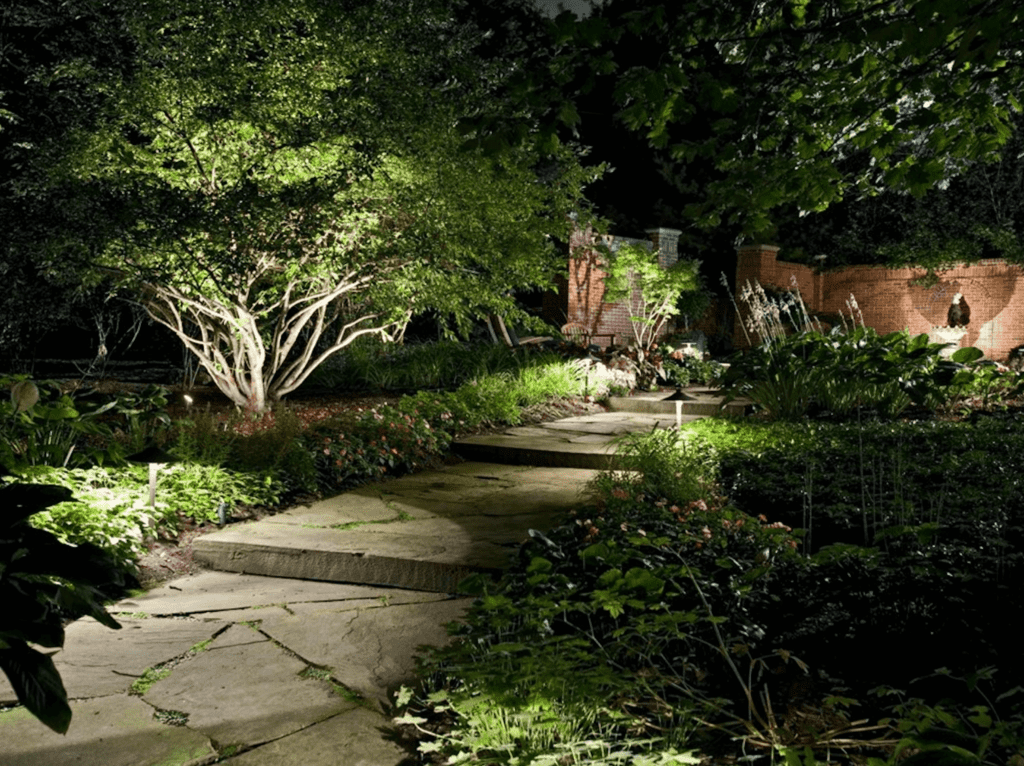
Garden design brings together nature, creativity, and practical ideas. It can turn a simple outdoor area into a place where you can relax, enjoy time with friends and family, or just admire the view. One major element of any garden design is lighting. Outdoor lighting helps you see at night, adds atmosphere, and highlights the garden’s features. In this guide, we’ll talk about basic garden design ideas, explore different kinds of garden lights, name five recognized suppliers of outdoor lighting, and look at ways to set up automated lighting systems. By the end, you’ll have some useful tips for creating a garden that feels welcoming both day and night.
1. Why Garden Design Matters
A garden is not just about plants. It’s a space that can be arranged to fit your needs and style. Key factors to consider include:
- Purpose of the Garden
- Do you want a space for entertaining guests?
- Are you looking for a quiet place to unwind after a busy day?
- Is it a play area for children and pets?
- Understanding the purpose of the garden before you start makes it easier to plan things like seating, walkways, and lighting.
- Focal Points
- You might include a water feature, a piece of artwork, or a special tree.
- Focal points act as anchors for the garden’s design, drawing the eye and making the space more interesting.
- Paths and Connections
- Pathways help people move safely and smoothly through the garden.
- They also break up large areas into smaller sections that you can decorate with plants or features.
- Plant Choices
- Pick plants that suit your local climate and soil.
- Think about colors, shapes, and textures so you can have blooms or greenery at different times of the year.
- Being Kind to the Environment
- Consider using native plants or drought-resistant varieties.
- Collect rainwater and avoid harsh chemicals to protect your soil and local wildlife.
Once you have the layout in mind, it’s time to explore lighting. Outdoor lighting can make your garden feel pleasant long after the sun has set.
2. What Outdoor Lighting Can Do
Outdoor lighting is more than just a way to see in the dark. It sets the mood, highlights special spots, and makes your garden safer. When used thoughtfully, lights can:
- Extend Usage: You can host dinners or late-night gatherings without stumbling around in the dark.
- Set the Tone: Warm, gentle lighting can create a calm setting, while brighter lights work well for cooking or playing games.
- Add Security: Exterior lighting can help you see potential hazards, and it can discourage unwanted guests from entering your property.
- Emphasize Unique Features: With a beam of light directed at a statue or tree, you can make a dramatic statement in your garden design.
The choice and placement of fixtures will greatly influence how your space looks at night. A mix of different types of lighting, arranged with care, will add variety and interest.
3. Common Types of Outdoor Lighting Fixtures
When planning your garden lighting, it helps to know the basic categories of fixtures:
- Path Lights
- These are often mounted on small stakes and placed along walkways or driveways.
- They have a soft glow to light the way, often come in low-voltage or solar-powered versions, and are simple to install.
- Spotlights and Uplights
- These fixtures focus a bright beam on specific features like trees, walls, or artwork.
- Uplights are placed near the ground, aiming light upward.
- Downlights, by contrast, go higher up (like on a branch) and shine downward for a more natural “moonlight” effect.
- Floodlights
- Floodlights cast a wide, bright light over a larger area.
- They are often used for security or task lighting, such as near a garage or entryway.
- String Lights and Hanging Lanterns
- These add a friendly, decorative touch.
- They’re great over patios or around seating areas where people gather.
- Step Lights and Wall Lights
- These are installed in walls, steps, or retaining structures to help people see walkways clearly.
- They also contribute to a nice visual style.
4. Five Recognized Suppliers of Outdoor Lighting
1. Philips Hue
Philips Hue is known for offering smart lighting fixtures that can be controlled with apps and voice assistants. You can pick various colors, adjust brightness, and set timers or routines to turn lights on and off automatically. The fixtures are designed for different uses like path lighting, spotlights, and wall sconces. If you already have a smart home system, Philips Hue lights can be linked for convenient control from your phone or a voice-activated device.
Reasons to Consider Philips Hue
- Compatible with several smart home platforms.
- Choice of colors and dimming.
- App-based controls for scheduling.
- Durable products designed to withstand the elements.
2. Kichler
Kichler offers a wide selection of styles, from classical lantern-type lights to more modern designs. Many of their products feature materials made to resist corrosion. They create both LED and standard-bulb lighting solutions, giving you flexibility in deciding which is better for your garden.
Reasons to Consider Kichler
- Range of designs and finishes.
- Reliable materials for outdoor conditions.
- LED and traditional bulb choices.
- Often comes with good customer support.
3. Hinkley
Hinkley focuses on combining style and functionality in their lights. You can find wall sconces, path lights, hanging lanterns, and more, often with built-in motion sensors or options for smart controls. Their designs can work for a variety of garden styles, whether you prefer a modern aesthetic or something more traditional.
Reasons to Consider Hinkley
- Many designs that can blend with different landscapes.
- Easy to install.
- Options that include motion sensors.
- Helpful customer service.
4. VOLT Lighting
VOLT Lighting specializes in low-voltage systems, which are popular among people who want to install their own outdoor lighting. Their fixtures range from simple path lights to well lights for highlighting trees or walls. VOLT focuses on sturdy materials and provides extras like transformers and connectors, aiming to simplify the DIY process.
Reasons to Consider VOLT
- Low-voltage systems that are simpler for do-it-yourself projects.
- LED options that use less energy.
- Guides and educational resources for newcomers to outdoor lighting.
- Fixtures made with robust metals and finishes.
5. Malibu
Malibu is widely recognized for solar-powered lights. If you prefer an easy setup without running wires, Malibu might fit well with your needs. Their lights collect sunlight during the day and store it, then switch on once it’s dark. This can help reduce your energy costs, and many of their fixtures are made to handle varying weather conditions.
Reasons to Consider Malibu
- Solar-powered designs that save on electricity.
- Straightforward installation without complex wiring.
- Often priced in a budget-friendly range.
- Good choice if you want a simpler approach to outdoor lighting.
5. Automating Your Outdoor Lighting
Technology has introduced many ways to set up your outdoor lights so they work on their own. Some common methods include:
- Smart Home Integration
- Pair lights with systems like Amazon Alexa, Google Assistant, or Apple HomeKit.
- Control brightness, colors, or schedules by voice or through an app.
- Timers and Schedules
- Use built-in timers on your transformer or control box.
- This allows lights to switch on and off at certain times, especially handy if you don’t want to bother with daily manual changes.
- Motion Sensors
- Lights turn on automatically when movement is detected.
- Useful in areas where you only want illumination when someone is passing by.
- Adjustable Brightness and Colors
- Some systems let you fine-tune the brightness level and even shift to different colors.
- This can help match your lighting to the occasion, whether it’s a mellow evening or a lively party.
- Responding to Weather or Location
- Advanced systems can adjust based on local conditions or sunrise/sunset times.
- This takes out the guesswork, so your lights adapt naturally as seasons change.
6. Planning Your Lighting Layout
Placing garden lights in the right spots can make a big difference. Consider these tips:
- Use Layers
- Combine path lights for walkways, spotlights for important features, and ambient hanging lights over seating areas.
- Different layers create a pleasing overall look.
- Highlight Important Elements
- If you have a special plant, water feature, or piece of garden art, use a spotlight to draw attention to it.
- This adds personality to your garden.
- Reduce Glare
- Go for fixtures that aim light only where needed.
- Strong glare can be uncomfortable and distract from the garden’s atmosphere.
- Consider Angles
- An upward beam on a tree trunk can showcase its shape and bark, while a downlight from a high branch offers a soft glow.
- Angle the lights to create interesting shadows and visual depth.
- Play with Color
- For festive events, you could use colored bulbs.
- Even a slight shift in color temperature (warm white vs. cool white) changes the look and feel of the space.
7. Thinking About Sustainability
It’s often a good idea to keep energy use low and reduce light pollution. Here are some ways to do it:
- Switch to LEDs: They use less energy and have longer lifespans compared to older bulb types.
- Go Solar: Solar lights, especially for pathways and smaller areas, can run on stored energy from the sun.
- Use Timers: Timers reduce waste by keeping lights off when they’re not needed.
- Pick Fixtures That Shine Downward: When lights are directed where they’re actually needed, it cuts down on unwanted glare and improves your view of the night sky.
With some planning, you can have a well-lit garden that also respects the environment.
8. Tips for a Smooth Installation
- Map Out Your Plan First
- Decide where fixtures will go, how cables will run, and where you’ll place transformers (if needed).
- This cuts down on surprises once you start working.
- Try a Test Run
- Set up lights temporarily and check how the garden looks at night.
- Adjust as needed before making anything permanent.
- Calculate Power Needs
- If you’re using low-voltage lights, make sure the transformer can handle the total wattage.
- This will help avoid flickering or uneven lighting.
- Perform Routine Maintenance
- Clean fixtures and clear away debris regularly.
- Replace damaged bulbs, cables, or solar batteries when needed.
- When in Doubt, Ask an Expert
- If you aren’t sure how to handle electrical work, it’s wise to hire a professional.
- Good installation not only looks nice but also keeps everything safe.
9. Adding Personal Touches
Your garden lighting can reflect your own preferences. You can:
- Use a Theme: For example, lanterns or string lights for a tropical getaway feel, or hidden lights for a calm Zen-like atmosphere.
- Decorate for Seasons: Fairy lights or colored bulbs can change the mood around Halloween, winter celebrations, or summer parties.
- Explore Artful Effects: Hanging lights from tree branches or placing colored fixtures near water features can create gentle reflections and a sense of magic.
Remember that gardens evolve over time, so your lighting might change too. As trees grow and plants fill in, you can shift or adjust lights to keep the scene balanced.
10. Future Directions in Garden Lighting
Outdoor lighting continues to develop new possibilities:
- Better Smart Home Connections: Expect more lights to sync with voice-activated devices and apps for smooth control.
- Adaptive Lighting: Systems that can alter brightness and color based on real-time conditions such as daylight, weather, or time of year.
- Improved Solar and Wireless Tech: Solar panels may become more efficient, and cable-free ideas might become more widely available.
- Wildlife-Friendly Designs: Companies are exploring ways to reduce harm to nocturnal creatures by using wavelengths that are less disruptive to birds and insects.
11. Final Thoughts
Designing a garden involves thoughtful choices about layout, plant selection, and features. Outdoor lighting is an essential ingredient, helping your space remain safe and inviting after dark. By mixing different types of fixtures—path lights, spotlights, string lights, and more—you can shape a setting that feels unique to you.
When choosing where to buy your lights, consider reputable names like Philips Hue, Kichler, Hinkley, VOLT Lighting, and Malibu. They offer a range of fixtures, from simple to high-tech options that integrate with modern home automation.
Automation features like timers, motion sensors, and smart controls can bring extra convenience and efficiency. And if you want to keep your costs low and protect the environment, think about LEDs, solar-powered fixtures, and responsible lighting designs.
Your garden can be a warm, appealing space any time of day. With the right combination of design and lighting, it becomes a place for late-night gatherings, quiet reflection, or just enjoying the peaceful glow of a garden at night.